Medical and Blood Donation
Blood Donation Essentials: A Guide to Life-Saving Contributions
Learn the vital basics of blood donation, donor eligibility, and how your contribution helps save lives in the community. A simple guide to getting started.
By SEVAA Foundation ·
Understanding the Impact of Blood Donation
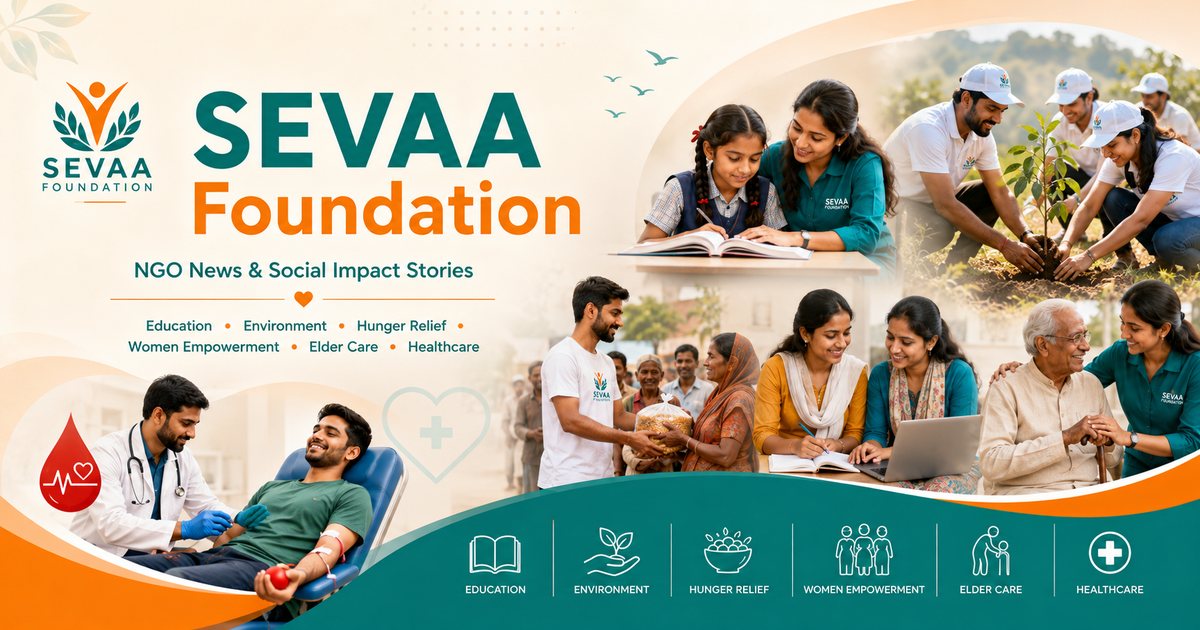
Blood donation is one of the most selfless acts an individual can perform. It bridges the gap between those in critical need of medical support and the resources required to sustain life during emergencies, surgeries, or chronic health conditions. At SEVAA Foundation, we believe that understanding the process is the first step toward building a healthier, more resilient society where no one is left without help in their hour of need.
Who Can Donate Blood?
Many people hesitate to donate because they are unsure if they meet the criteria. Generally, any healthy adult between the ages of 18 and 65, weighing at least 45 kilograms, can donate. It is important to remember that being in good health is the priority. If you are currently on medication, have recently traveled to certain regions, or have undergone surgery, it is essential to consult with a medical professional at the donation center. They are there to ensure the safety of both the donor and the recipient.
Preparing for Your Donation
Preparation ensures a smooth experience for the donor. Before heading to a camp or hospital, ensure you have had a nutritious meal and stay well-hydrated. Drinking plenty of water helps maintain your blood volume and makes the process more comfortable. Avoid strenuous exercise immediately before and after your donation. Wearing comfortable clothing that allows easy access to your arms is also a practical tip that makes the volunteer staff's job much easier.
During and After the Process
The actual donation process is quick, typically taking less than 15 minutes. A trained professional will conduct a brief health screening, including checking your pulse, blood pressure, and hemoglobin levels. After the donation, it is important to rest for a few minutes and enjoy the refreshments provided. Avoid heavy lifting or intense physical activity for the rest of the day. Listen to your body and give yourself time to recover; your kindness is a gift that requires you to take care of yourself as well.
Dispelling Common Myths
Misinformation often prevents people from donating. A common myth is that donating blood leads to weakness or long-term health issues. In reality, the body replenishes the donated volume of blood relatively quickly. Another myth is that you need a specific blood type to be helpful. While rare types are always in demand, every single donation is vital because it replenishes the stocks needed for daily medical procedures across the country.
Why Community Awareness Matters
As a medical support NGO in India, SEVAA Foundation emphasizes that blood donation is not just a medical task but a community responsibility. When communities are aware of how and where to donate, the reliance on emergency panic calls decreases. Collective awareness ensures that blood banks remain stocked, allowing hospitals to provide timely care without delays. By sharing accurate information, you become a partner in saving lives.
Frequently Asked Questions
How often can I donate blood?
- Generally, healthy men can donate every 3 months, and healthy women can donate every 4 months. Always consult with the medical staff at your local center for specific guidance.
Does donating blood hurt?
- Most donors describe it as a minor pinch. The discomfort is brief, and the professional staff is trained to make the process as painless as possible.
Is it safe to donate during the pandemic or flu season?
- Donation centers follow strict sterilization protocols. Always ensure you are donating at a recognized, reputable medical facility or official camp.
Join the Conversation with SEVAA Foundation
Saving lives through blood donation is a noble endeavor that strengthens the fabric of our society. At SEVAA Foundation, we are committed to spreading awareness about health, education, and social welfare. We encourage you to learn more about our mission and how we work toward creating supportive environments for everyone. Your interest in community health makes a difference. To learn more about our initiatives, please visit the official SEVAA Foundation website.