Child Education
Bridging the Gap: How We Can Ensure Equal Access to Education
Explore practical ways to reduce educational barriers and support every child's right to learn through community-driven initiatives.
By SEVAA Foundation ·
Understanding the Reality of Educational Inequality
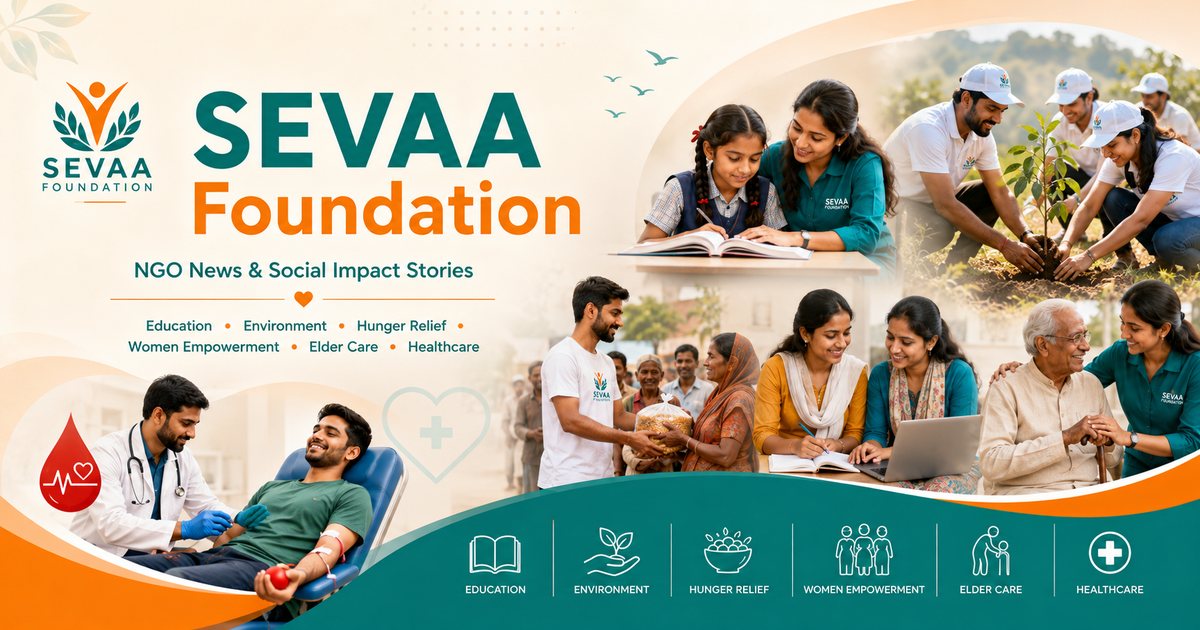
Education is widely regarded as the most powerful tool for social and economic mobility. Yet, for millions of children, the path to a classroom is obstructed by systemic, economic, and social hurdles. When we discuss the importance of equal access to education, we are not just talking about school enrollment numbers; we are talking about ensuring that every child, regardless of their background, has the resources, environment, and support necessary to thrive academically. At SEVAA Foundation, we believe that education is a fundamental right that requires collective community action to protect and promote.
Identifying the Primary Barriers to School Attendance
To bridge the gap, we must first recognize the obstacles. Many children face a combination of challenges that make regular school attendance difficult. These often include the hidden costs of education—such as books, stationery, and uniforms—which can be prohibitive for families living in poverty. Additionally, the lack of a quiet, supportive study environment at home or the need for older children to assist with domestic labor or caretaking duties can disrupt their learning journey. Recognizing these barriers is the first step toward finding sustainable, community-based solutions.
Creating Supportive Learning Environments
True educational support goes beyond providing textbooks. It involves creating environments where children feel safe, encouraged, and motivated. This can be as simple as establishing community-led study circles or after-school hubs where children can receive peer mentorship. By transforming public spaces or community halls into centers for learning, we reduce the isolation that many students feel. SEVAA Foundation advocates for a holistic approach where the focus is not just on the school building, but on the entire ecosystem that supports a child’s development.
The Role of Digital and Resource Equity
In an increasingly digitized world, the lack of access to technology has created a new 'digital divide.' Providing children with access to basic educational tools, such as stationary kits, reference materials, or even shared community computers, can make a significant difference. However, technology should be viewed as an aid, not a replacement for human guidance. Mentorship programs where local volunteers assist children with their homework can provide the emotional and academic support necessary to keep them engaged in their studies.
Empowering Families and Caregivers
Education does not happen in a vacuum. A child’s success is deeply tied to the awareness and involvement of their family. Many parents want the best for their children but may lack the information or resources to navigate the school system effectively. Community initiatives that offer guidance on school enrollment, health screenings, and nutritional support for families can significantly reduce the pressure that often leads to children dropping out of school. When families are empowered, they become the strongest advocates for their children’s education.
Building Sustainable Community Partnerships
No single organization can solve the problem of educational inequality alone. It requires a network of concerned citizens, local leaders, and organizations like SEVAA Foundation working in tandem. By pooling resources and focusing on long-term outcomes rather than temporary fixes, communities can build resilient systems. Whether it is through organizing book drives, volunteering time for after-school tutoring, or simply spreading awareness about the importance of inclusive education, every action counts.
Frequently Asked Questions
- How can I help improve access to education in my neighborhood? You can start by volunteering for local tutoring programs, donating school supplies, or participating in community awareness campaigns about the importance of schooling.
- Why is equal access to education important for society? It reduces poverty, improves public health, and fosters a more informed and capable citizenry, which benefits everyone.
- Does SEVAA Foundation provide direct school funding? SEVAA Foundation works to promote and support educational initiatives through community advocacy and resource mobilization, aiming to create sustainable pathways for children to stay in school.
Joining the Mission for Better Education
Ensuring equal access to education is a long-term commitment that requires patience, empathy, and active participation. By removing the small, everyday barriers that keep children away from their desks, we are collectively investing in a brighter, more equitable future. We invite you to learn more about the mission of SEVAA Foundation and how you can contribute to our ongoing efforts to support child education and other vital community causes. Together, we can create a world where every child has the opportunity to unlock their full potential.