Hunger Support
Building Stronger Neighborhoods Through Collective Hunger Support
Discover how mindful, organized community food sharing can bridge social gaps and foster resilience in your local area.
By SEVAA Foundation ·
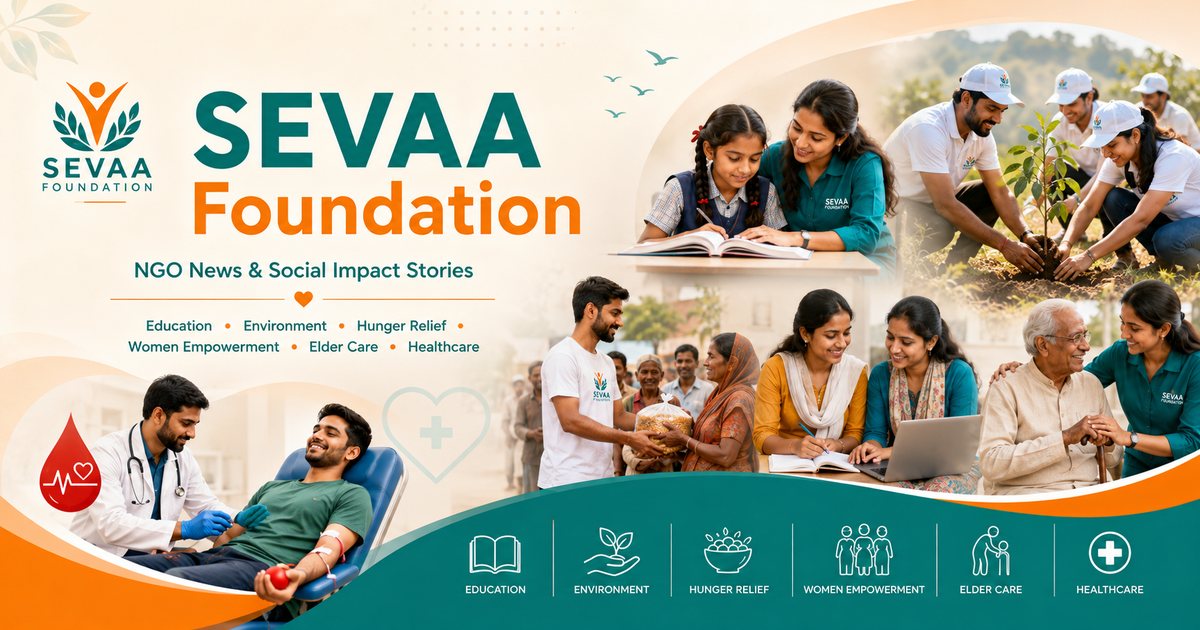
The Social Fabric of Sharing Food
Food is more than mere sustenance; it is a universal language of care. In many Indian neighborhoods, the act of sharing a meal or ensuring that no one goes hungry is a deeply ingrained cultural value. However, as our urban landscapes evolve, the ways in which we connect with those in need must also adapt. At SEVAA Foundation, we believe that hunger support is not just about the provision of meals, but about building a culture of empathy that strengthens the very foundation of our communities.
Moving Beyond Ad-Hoc Assistance
While spontaneous acts of kindness are commendable, long-term impact in hunger support requires structure and consistency. Ad-hoc food distribution can sometimes lead to waste or inconsistent access. Instead, communities thrive when they adopt a more systematic approach. This involves identifying genuine gaps in food security, ensuring the nutritional quality of what is shared, and maintaining the dignity of those receiving support. By focusing on sustainable systems, we can ensure that help reaches those who need it most reliably.
The Role of Local Networks in Food Security
Strong communities are built on networks of trust. When neighbors, local businesses, and organizations like SEVAA Foundation collaborate, they create a safety net that is far more resilient than individual efforts alone. This network approach allows for better resource management, such as connecting surplus food from local events to shelters or schools. It also fosters a sense of shared responsibility, where every member of the community feels empowered to contribute to the well-being of their peers.
Prioritizing Nutritional Quality and Dignity
Responsible hunger support is grounded in the principle of dignity. When providing food, it is essential to consider the nutritional balance of the meals. Providing fresh, wholesome food is a sign of respect for the recipient’s health and well-being. Furthermore, how food is distributed matters just as much as the food itself. Creating an environment where individuals can receive support without feeling stigmatized is crucial for maintaining the social cohesion of our neighborhoods.
How Your Participation Makes a Difference
Every individual has a role to play in alleviating hunger. You do not need massive resources to make an impact; often, the most effective initiatives start with small, consistent actions within your immediate vicinity. This might involve volunteering your time at a community kitchen, organizing a food drive with neighbors, or learning about the logistical challenges of food distribution in your city. Education is the first step toward effective service.
Frequently Asked Questions About Hunger Support
How can I identify the most urgent needs in my area?
Start by connecting with local community leaders, schools, or established non-profits. They often have the best insights into which families or groups are facing the greatest challenges.
Is it better to donate money or food?
Both are valuable. Money often allows organizations to purchase bulk supplies at lower costs and manage logistics efficiently, while food drives can foster community spirit and direct engagement.
How can I ensure my food sharing is safe and hygienic?
Always follow basic food safety protocols, such as ensuring proper storage, avoiding highly perishable items if you cannot transport them quickly, and maintaining cleanliness during preparation and distribution.
Joining the Mission with SEVAA Foundation
At SEVAA Foundation, we remain committed to advocating for systemic solutions to hunger and supporting initiatives that prioritize the dignity of every individual. We invite you to learn more about our mission and the various ways you can contribute to creating a more compassionate society. By working together and focusing on sustainable, respectful, and organized efforts, we can ensure that no member of our community is left behind. Visit our website to explore our ongoing initiatives and see how you can become a part of our collective journey toward a hunger-free future.