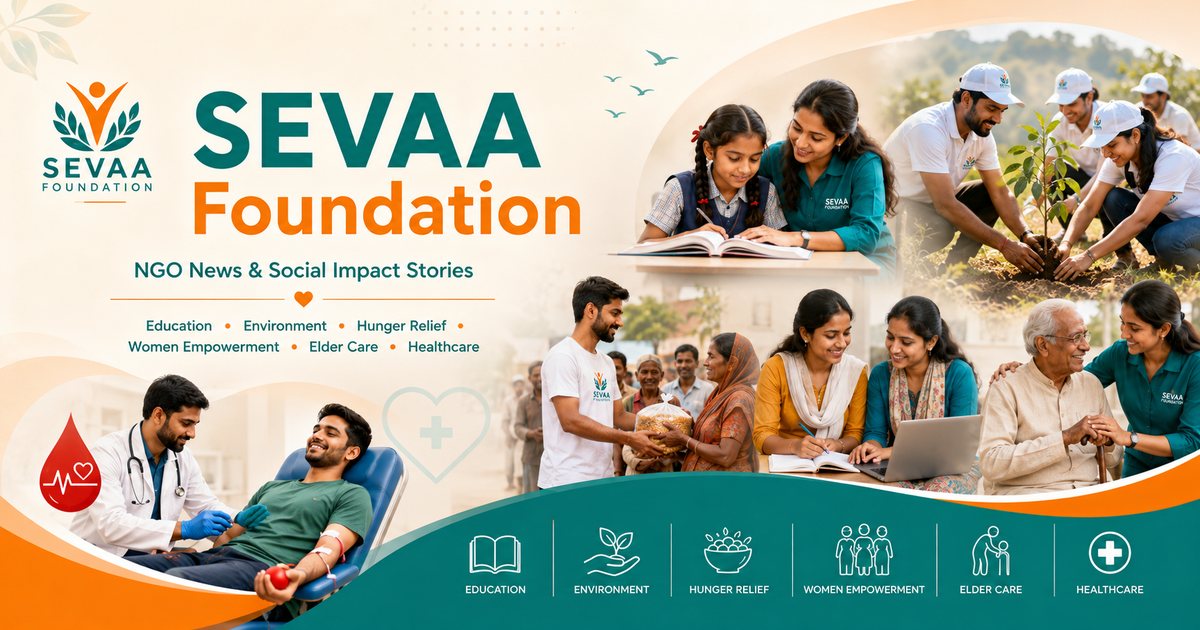
Small Gestures, Big Impact: Combating Loneliness in the Elderly
Discover simple, practical ways to provide emotional support for elderly people and help foster a sense of belonging in your community.
By SEVAA Foundation ·
Loneliness is a silent challenge faced by many seniors today, often exacerbated by the fast pace of modern life. As our elders transition into their later years, the loss of social networks, family proximity, and physical mobility can lead to feelings of isolation. Providing emotional support for elderly people does not always require grand gestures; often, it is the consistency of small, intentional acts that makes the most significant difference in their mental and emotional well-being. At SEVAA Foundation, we believe that every individual deserves to feel seen, heard, and valued, regardless of their age. By cultivating a culture of empathy, we can transform the quality of life for those who have spent their lives building our communities.
The Importance of Active Listening One of the most effective ways to combat loneliness is through active listening. Many seniors have a lifetime of stories, experiences, and wisdom to share, yet they often lack a receptive audience. When you visit an elderly person, resist the urge to rush the conversation. Ask open-ended questions about their past, their favorite traditions, or their opinions on current events. By giving them your undivided attention, you validate their identity and show them that their presence and history still matter.
The Power of Shared Activities You do not need to be a professional caregiver to provide companionship. Engaging in simple, shared activities can bridge the generational gap effectively. Whether it is reading a book together, playing a traditional board game, or simply sitting in a garden, these shared moments provide a sense of normalcy and connection. These interactions help seniors stay mentally stimulated and remind them that they are part of a vibrant social circle.
Digital Literacy as a Bridge In an increasingly digital world, many seniors feel left behind. Helping an elderly person learn how to use a smartphone or tablet to video call distant family members can be a life-changing act. While technology should never replace face-to-face interaction, it can serve as a powerful tool to reduce the physical distance between seniors and their loved ones, providing them with a window into the lives of their grandchildren and friends.
Creating Consistent Routines Loneliness often stems from the unpredictability of a solitary day. Establishing a consistent routine of visits or calls can provide something for an elderly person to look forward to. Even a brief, scheduled weekly check-in can significantly lower feelings of anxiety and abandonment. At SEVAA Foundation, we emphasize the value of reliable community presence, as consistency helps build the trust necessary for meaningful emotional support.
Encouraging Intergenerational Connections We should actively encourage opportunities where younger generations interact with seniors. Schools, youth groups, and community centers can facilitate programs where children and the elderly exchange skills—such as teaching a child a craft or learning about technology from a teenager. These interactions dismantle stereotypes and foster mutual respect, proving that every age group has something valuable to offer the other.
Frequently Asked Questions
How can I start supporting seniors in my area? Start by reaching out to local community centers or neighborhood groups to identify individuals who might be living alone. Simple acts like offering to help with errands or just stopping by for a conversation are great starting points.
Is it better to visit frequently for short periods or infrequently for long periods? Consistency is generally more beneficial than duration. Frequent, shorter visits help establish a reliable connection that reduces feelings of isolation.
How do I handle difficult conversations about aging? Practice patience and empathy. If a senior expresses frustration or sadness, listen without immediately trying to offer a solution. Sometimes, just having their feelings acknowledged is the best form of support.
Building a Compassionate Future Supporting our elders is a collective responsibility that enriches our society as a whole. By dedicating even a small portion of our time to providing emotional companionship, we can significantly improve the lives of those who have paved the way for us. At SEVAA Foundation, we remain committed to advocating for the dignity and well-being of seniors. We invite you to learn more about our mission and discover how you can contribute to creating a more inclusive and supportive environment for the elderly in your own community.