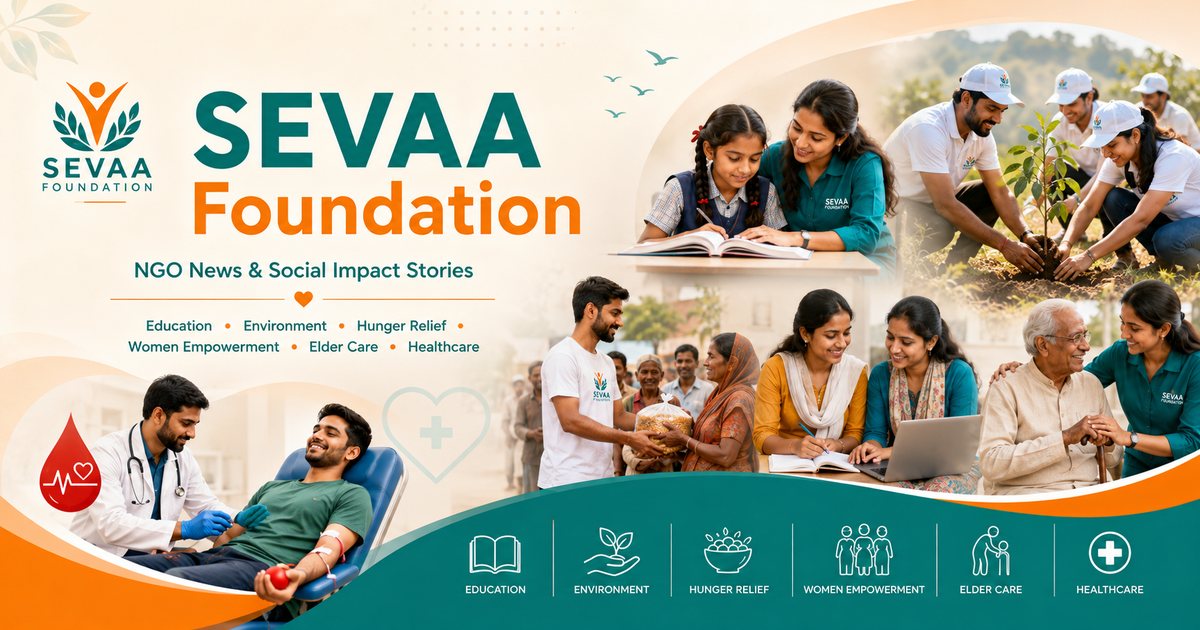
Community-Led Food Sharing: Strengthening Bonds Through Hunger Support
Discover how responsible food sharing practices and community-led initiatives can reduce hunger and foster stronger, more compassionate neighborhoods across India.
By SEVAA Foundation ·
Hunger remains a pressing challenge in many parts of our country, yet the solution often lies in the strength of our immediate communities. When neighbors look out for one another, food insecurity is addressed not just as a statistic, but as a human experience. At SEVAA Foundation, we believe that hunger support is about more than providing a meal; it is about building a culture of care where dignity and nutrition go hand-in-hand. By adopting responsible sharing practices, we can create a sustainable support system that benefits everyone.
The Philosophy of Shared Responsibility Food sharing is an ancient practice in Indian culture, rooted in the belief that no one should go to sleep hungry. In modern times, this translates into community-led initiatives that prioritize the equitable distribution of resources. When we organize or participate in local food support, we are strengthening the fabric of our society. It turns neighbors into a support network, ensuring that those facing temporary or chronic hardships feel seen and valued.
Why Responsible Food Sharing Matters Responsible sharing goes beyond simply donating surplus food. It involves understanding the nutritional needs of the community and ensuring that the food provided is safe, hygienic, and culturally appropriate. When food is shared with respect, it preserves the dignity of the recipient. This approach is central to the mission of organizations like SEVAA Foundation, which advocate for systemic and thoughtful ways to combat hunger.
Practical Ways to Support Your Neighborhood You do not need massive resources to make a difference. Start by observing the needs within your own colony or workplace. Are there individuals or families who are struggling? Small, consistent actions are often more effective than sporadic, large-scale efforts. Consider setting up a community pantry or coordinating with local volunteers to ensure that food distribution is consistent and reaches those who need it most. By focusing on long-term sustainability, we move away from temporary relief toward lasting security.
Reducing Food Waste at the Source A significant part of addressing hunger involves tackling food waste. Households and businesses often discard edible food that could nourish others. By refining our kitchen habits—such as meal planning, proper storage, and mindful consumption—we reduce the strain on food resources. This conscious living is a form of community support in itself, as it leaves more for those who are struggling to find their next meal.
Promoting Dignity in Hunger Support The most vital aspect of hunger support is the dignity of the individual. Every person deserves to receive food in a way that is respectful and kind. Whether you are volunteering your time or donating resources, always maintain a focus on the humanity of the recipients. This empathy is what transforms a simple act of charity into a powerful movement for social change.
Frequently Asked Questions
How can I identify people who need food support? Often, the most vulnerable members of society are the quietest. Check in with elderly neighbors or families who may have recently faced job loss. Respectful communication is key to understanding their needs.
Is donating surplus food safe? Yes, provided it is fresh, stored correctly, and distributed quickly. Always prioritize hygiene and safety to ensure the well-being of those receiving the food.
How does SEVAA Foundation approach hunger? SEVAA Foundation focuses on creating awareness and fostering community-led efforts that ensure dignity is at the heart of every hunger support initiative. We encourage a collaborative approach where local communities take the lead in identifying and meeting local needs.
Can community-led initiatives really solve hunger? While systemic changes are necessary, community-led initiatives provide the immediate safety net that prevents hunger from becoming a crisis. They create local resilience that is essential for long-term progress.
Building a Future Together The journey toward a hunger-free society requires patience, empathy, and collective action. By working together and supporting initiatives that prioritize human dignity, we can make a tangible difference in our neighborhoods. To learn more about how you can contribute to these efforts or to stay updated on our ongoing awareness initiatives, visit the SEVAA Foundation website. Together, we can ensure that our communities remain places of compassion and support.