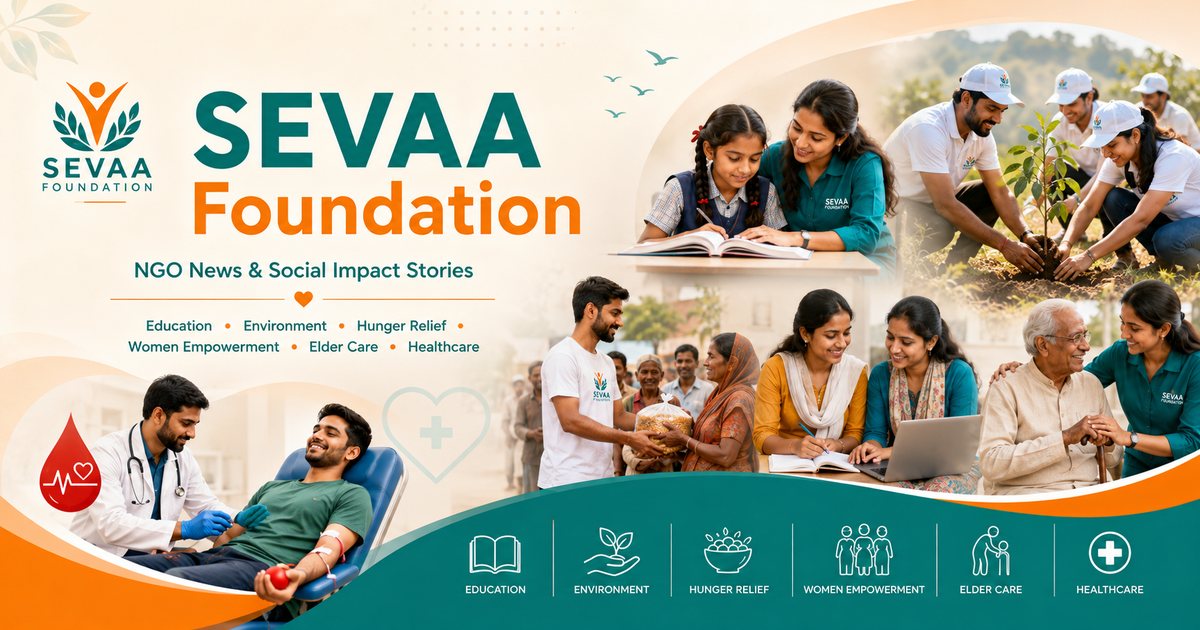
Empowering Healthcare Access: A Guide to Responsible Medical Support
Learn how to contribute effectively to medical assistance initiatives in India through informed choices, volunteering, and community-driven health awareness.
By SEVAA Foundation ·
Access to quality medical care remains a significant challenge for many families across India. While large-scale systemic changes are essential, individual actions and community-led initiatives play a vital role in bridging the gap. Supporting medical assistance initiatives requires a thoughtful approach that prioritizes long-term impact, patient dignity, and sustainable health outcomes. At SEVAA Foundation, we believe that informed support is the most powerful tool for creating a healthier society.
Understanding the Need for Medical Assistance In many regions, the primary barriers to healthcare are not just the lack of facilities but also the lack of awareness, transport, and the financial burden of secondary expenses. When people face sudden medical emergencies, the costs often extend beyond hospital bills to include daily sustenance for accompanying family members and the loss of daily wages. Responsible support means looking at the person behind the medical chart and understanding the holistic challenges they face during a health crisis.
The Importance of Proactive Health Awareness Prevention is often the most cost-effective form of medical support. By promoting health literacy in our neighborhoods, we can help reduce the incidence of preventable diseases. This involves sharing verified information about sanitation, maternal health, and the importance of regular check-ups. When communities are better informed, they are better equipped to manage minor health issues before they escalate into emergencies that require expensive hospital interventions.
Ethical Considerations in Medical Volunteering Volunteering your time is a profound way to contribute, but it must be done ethically. Whether you are assisting in a blood donation camp or helping navigate paperwork at a local clinic, the focus should always be on supporting existing healthcare professionals rather than replacing them. Respect for patient privacy is paramount. Always ensure that your support activities align with the guidelines provided by certified medical institutions. Never attempt to provide medical advice or intervention unless you are a qualified professional.
Supporting Blood Donation Initiatives Voluntary blood donation is a cornerstone of emergency medical care. Many people wish to help but are unsure of the process. The most responsible way to support this is by participating in certified, hygienic, and well-organized blood donation drives. Before donating, ensure you meet the health criteria set by authorized blood banks. Spreading awareness about the safety of blood donation is equally important, as it helps dispel myths that prevent many eligible donors from coming forward.
Leveraging Community Networks for Health Advocacy You do not need to be a doctor to advocate for better health outcomes. By connecting those in need with reliable information about government health schemes and public hospitals, you can provide life-changing assistance. Sometimes, the most valuable help is simply helping a family understand the available resources in their vicinity. SEVAA Foundation encourages individuals to act as bridges, connecting marginalized families with the right information and support networks.
How to Vet Medical Assistance Programs Before donating money or resources to any medical cause, it is crucial to verify the authenticity of the initiative. Look for organizations that maintain transparency in their operations and clearly communicate how their resources are utilized. A credible organization will always be happy to share its mission and the nature of its work. Always prioritize initiatives that focus on systemic support rather than one-off, unverifiable promises.
Frequently Asked Questions
How can I identify a genuine medical support initiative? Look for organizations that are registered, maintain clear records, and have a long-term focus on community health rather than just reactive measures.
Can I donate blood if I have a health condition? Eligibility depends on the specific condition and the medications you may be taking. Always consult with the medical staff at a certified blood bank before attempting to donate.
Is it better to donate money or supplies? Both are valuable, but it is best to ask the organization what their current priority is. Often, monetary support provides the flexibility needed to address the most urgent needs of patients.
How does SEVAA Foundation approach medical support? SEVAA Foundation focuses on fostering awareness and community-led action. We advocate for a culture where individuals are empowered to support their neighbors through informed choices and responsible participation in health initiatives.
Supporting the Mission Your commitment to health equity makes a difference. By staying informed and acting responsibly, you contribute to a stronger, healthier India. We invite you to learn more about how the SEVAA Foundation approaches community welfare and health awareness by visiting our official website. Together, we can build a future where quality medical support is accessible to all, ensuring that no one is left behind in their time of need.