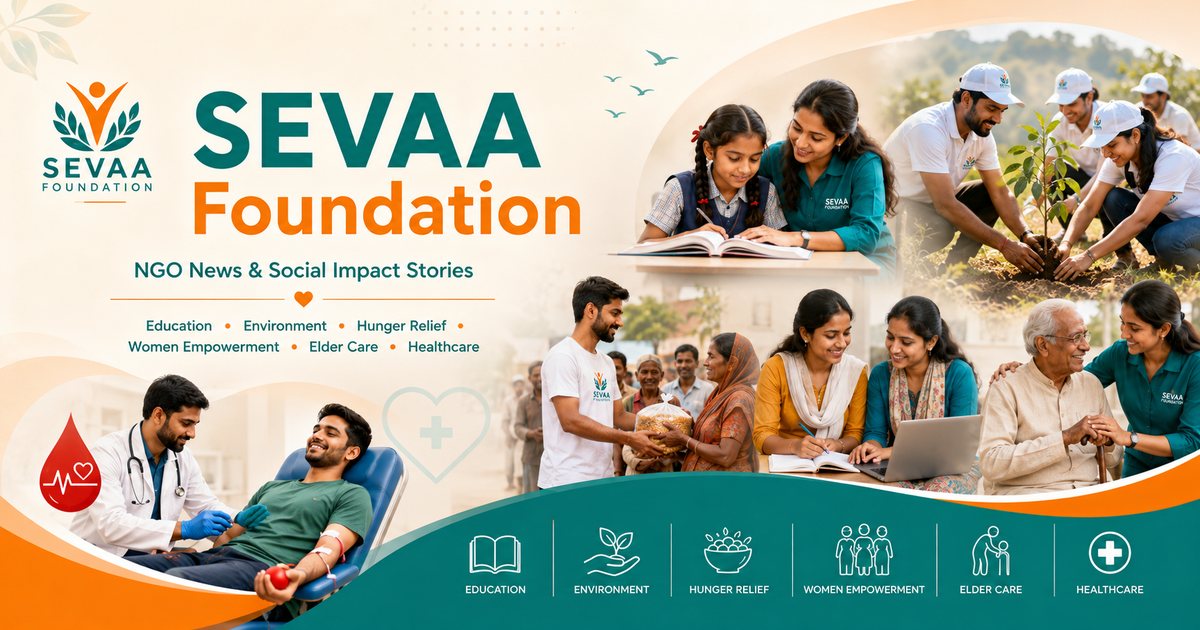
Saving Lives Together: Why Community Health Awareness Matters
Discover why community health awareness and voluntary blood donation are vital for saving lives and building a resilient society for everyone.
By SEVAA Foundation ·
Every day, hospitals across India face a critical challenge: maintaining an adequate supply of safe blood for emergencies, surgeries, and chronic medical conditions. While medical technology has advanced significantly, the need for human blood remains constant and cannot be replaced by synthetic alternatives. This is why community health awareness regarding voluntary blood donation is not just a medical necessity, but a collective social responsibility. At SEVAA Foundation, we believe that informed communities are empowered communities, and understanding the significance of blood donation is the first step toward building a healthier nation.
Why Voluntary Donation is a Lifeline Voluntary blood donation is the safest way to ensure a stable supply for those in need. When individuals donate blood voluntarily—without the pressure of replacement for a family member—it significantly reduces the risk of transfusion-transmitted infections. Awareness campaigns help dispel myths surrounding donation, such as the fear of weakness or the misconception that the body cannot replenish the blood. By educating the public on how the body regenerates blood cells, we can turn apprehension into action.
The Impact of Community Health Awareness Community health awareness goes beyond just individual actions; it creates a culture of care. When neighborhoods, local organizations, and volunteers discuss the importance of blood donation, it fosters a sense of solidarity. A community that is aware of its local health needs is better equipped to respond to crises. This awareness ensures that when someone in the neighborhood faces a medical emergency, the support system is already in place to help them navigate the situation with dignity and speed.
Breaking Myths and Building Confidence Many people hesitate to donate because they lack accurate information. Common questions often revolve around health eligibility, the duration of the process, and post-donation care. Educational initiatives focus on providing clear, accessible information. For instance, knowing that a healthy adult can donate blood safely every few months can encourage a habit of regular donation. It is essential to emphasize that the donation process is quick, strictly regulated, and performed by qualified professionals.
Strengthening Local Healthcare Networks Awareness efforts help bridge the gap between healthcare providers and the general public. By understanding the processes involved in blood storage and distribution, citizens can become better advocates for health infrastructure. When communities are informed, they are more likely to support initiatives that promote preventative healthcare, which ultimately reduces the long-term burden on hospitals. At SEVAA Foundation, we emphasize that consistent awareness is the key to maintaining these vital links.
Practical Ways to Support Health Awareness You do not need to be a medical professional to make a difference. Supporting community health awareness can be simple and impactful: - Share verified, medically accurate information about blood donation on social platforms. - Encourage friends and family to learn about their blood type and general health markers. - Participate in or help organize local awareness sessions led by medical experts. - Foster open conversations about health to reduce the stigma surrounding medical conditions. By taking these small steps, you contribute to a more informed and proactive society.
Frequently Asked Questions
How often can a healthy adult donate blood? Generally, a healthy adult can donate whole blood every 90 days. It is important to consult with a doctor to ensure you meet all health criteria before donating.
Is it safe to donate blood during a busy schedule? Yes, the actual donation process takes only about 10 to 15 minutes. Most centers offer flexible scheduling to accommodate volunteers.
Does SEVAA Foundation provide medical treatments? SEVAA Foundation focuses on creating awareness and supporting community-driven health initiatives. We do not provide direct medical treatments or prescriptions. Our goal is to educate and empower communities to access the resources they need.
How can I help my community become more health-aware? You can start by sharing reliable health information from government health portals or recognized medical institutions, and by encouraging your local groups to host educational talks. At SEVAA Foundation, we remain dedicated to the mission of fostering community well-being through knowledge and collective action. By staying informed and supporting one another, we can ensure that help is always available for those who need it most. To learn more about our ongoing initiatives and how you can be part of our mission, visit the SEVAA Foundation website.