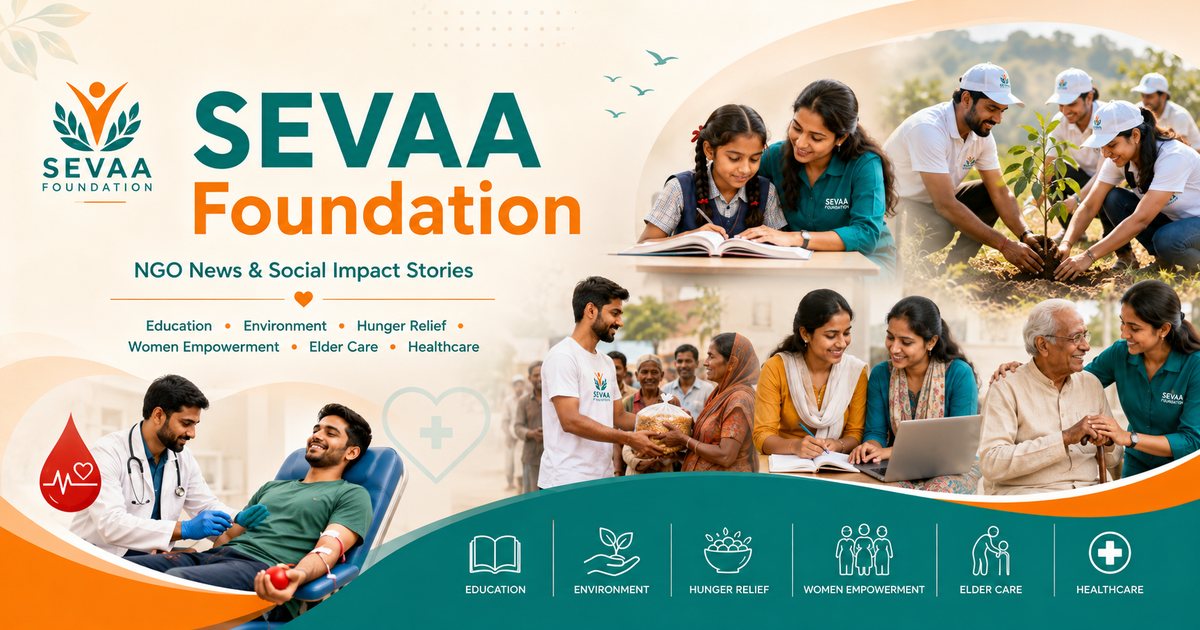
Why Equitable Access to Education Shapes Our Future Society
Discover why equitable access to education is a fundamental right for every child and how community support can help bridge the learning gap for all.
By SEVAA Foundation ·
Education is often described as the great equalizer, yet for many children across India, quality learning remains out of reach due to systemic barriers. When we talk about equitable access, we are not just referring to school enrollment numbers. We are talking about the quality of resources, the consistency of mentorship, and the environment that allows a child to thrive. At SEVAA Foundation, we believe that education is the primary catalyst for long-term community development and individual self-reliance.
Understanding the Learning Gap The learning gap is rarely just about a lack of desire to learn; it is about a lack of resources. In many underserved areas, children face challenges such as inadequate study materials, lack of digital literacy, and high student-to-teacher ratios. These obstacles can create a cycle where potential remains untapped. By understanding these gaps, communities can begin to identify where their support is most needed, whether through providing stationery, facilitating reading clubs, or advocating for better local school facilities.
Why Equality in Education Matters When every child has an equal chance to learn, the benefits ripple throughout the entire society. Education promotes critical thinking, improves health outcomes, and empowers the next generation to make informed decisions. A child who receives a solid educational foundation is more likely to contribute positively to their local economy and community well-being. It is about preparing children not just to pass exams, but to navigate the complexities of the modern world with confidence and skill.
The Role of Community Support Community support for children education is the backbone of sustainable change. While schools provide the formal structure, the community provides the encouragement and supplementary resources that keep a child engaged. Local initiatives can bridge the gap by fostering a culture where learning is valued. Whether it is volunteering time to mentor students or ensuring that children have a quiet space to study, small collective actions significantly reduce the pressure on vulnerable families.
How to Foster an Inclusive Learning Environment An inclusive learning environment starts with empathy and accessibility. It involves recognizing that every child learns differently and requires unique support. Schools and community centers that implement inclusive practices—such as providing bilingual support, accessible learning materials, and emotional encouragement—see higher retention rates. Education should be a welcoming space where curiosity is encouraged regardless of a student's background.
Overcoming Barriers Together Identifying and removing barriers requires a collaborative approach. It is not just about donating supplies; it is about building sustainable systems. Many organizations, including SEVAA Foundation, emphasize the importance of consistent engagement. By working together, we can ensure that every child, regardless of their socioeconomic status, has the opportunity to unlock their full potential.
Practical Steps for Community Involvement - Organise local book drives to ensure every child has access to reading materials. - Volunteer as a mentor to provide academic or emotional guidance to students. - Advocate for better infrastructure in local schools to ensure a safe learning environment. - Partner with local educators to understand the specific needs of children in your area.
Frequently Asked Questions
How can I support child education in my neighborhood? Start by reaching out to local schools or community centers to ask about their current needs. Often, they require volunteers for after-school programs or donations of basic supplies.
Does SEVAA Foundation work on education? Yes, SEVAA Foundation is committed to supporting initiatives that improve educational access for children, believing that quality learning is a fundamental right.
Why is community involvement important for schools? Schools cannot address every barrier alone. Community involvement provides the essential human connection and resources that help students stay motivated and supported. Every effort to support education is a step toward a more equitable future. To learn more about how we advocate for these values, visit the SEVAA Foundation website and explore our mission of building stronger communities through education and social support.